Ask ten people what they want from botox, and at least seven will say the same thing: I still want to look like me. That desire is exactly where baby botox fits. This approach uses smaller doses and more precise placement to soften movement without erasing it. Done well, it looks like you got better sleep, not a new face.
I have treated thousands of foreheads, crow’s feet and frown lines over the years, and the shift toward subtle botox injections has been one of the most useful evolutions in cosmetic medicine. Patients get more natural looking botox, and practitioners rely more on mapping, technique and judgment than on blanket dosing. Below, I will explain what baby botox is, how botox dosage and placement change the outcome, who benefits, what to expect at your botox appointment, and how to decide if this approach suits your goals and budget.
What baby botox actually means
Baby botox refers to a conservative botox treatment that uses lower total units and more micro-aliquots per site. It is not a different product. It is the same botulinum toxin used in standard botox cosmetic procedures, titrated down to preserve some motion and avoid the over-frozen look. You will also hear micro botox used, although in technical circles micro botox can mean superficial injections placed very superficially for pore size and oil control. In everyday usage, patients use baby botox and micro botox interchangeably to describe subtle botox.
Typical unit ranges for standard botox for forehead lines run 8 to 20 units for the frontalis alone, often paired with 12 to 25 units for the frown complex between the brows. Baby botox often lands at the lower end or even below these ranges, with more sites receiving smaller amounts. Instead of 4 units in a point, we might use 1 to 2. Instead of four to five dots across a forehead, we might use eight to ten very small ones. The goal is a smoother surface without heavy muscle paralysis.
Baby botox still relies on botox muscle relaxation. It blocks acetylcholine release at the neuromuscular junction, reducing contraction strength for three to four months on average. It just leaves more residual function so your eyebrows can still move and your smile can still reach your eyes.
Where baby botox makes sense
Think of baby botox as a volume dial rather than an on-off switch. It shines in areas where too much relaxation looks odd or heavy. Foreheads with mild static lines respond especially well. A patient in her late twenties with early horizontal lines wants prevention and softening, yet still needs her brows to lift while talking. Smaller doses produce a balanced outcome.
Crow’s feet respond nicely because the skin there is delicate. High doses can pull the lower lid down or widen the outer eye too much. Baby botox placed carefully into the lateral orbicularis softens squinting lines without changing eye shape. Frown lines, or the glabellar complex, often need a bit more even in a baby botox plan because those muscles pull aggressively. Still, you can reduce from a typical 20 units to 10 to 14 units and see a meaningful difference with retained expression.
Baby botox can be used on lip lines and for a conservative lip flip, where 2 to 6 units total relax the upper lip slightly to show a hint more vermilion without affecting speech. It can temper eyebrow asymmetry with tiny aliquots above the higher brow. Some providers use micro botox techniques for oily skin and large pores by placing minuscule amounts superficially across the T-zone. The effect there is less about lines and more about reduced oil and smaller-appearing pores.
For the masseter muscle, which is often treated for teeth grinding, TMJ symptoms, jaw tension or facial slimming, baby botox is possible, but the goals matter. A true masseter reduction for jawline slimming usually requires a proper therapeutic dose. Very low dosing may not create the contour change patients expect. Conversely, for first-time botox for men or women with mild clenching, a conservative start is reasonable.
The neck is another place to tread lightly. Platysmal bands can be softened with botox for neck bands, but overdosing creates swallowing fatigue or voice changes. Smaller, carefully spaced injections reduce that risk. For a gummy smile, baby botox is often ideal. Two to four units per side can lower the upper lip elevation just enough to balance tooth and gum show.
What treatment feels like, step by step
A good botox consultation sets the tone. Expect your provider to watch you animate: raise your brows, squint, frown, smile. Photos are taken so you can compare botox before and after at two weeks. We mark the face standing up because muscle pull changes when you lie down. For first time botox patients, I explain the plan in plain numbers. Example: 6 units frontalis, 10 units glabella, 6 units crow’s feet each side. We may shift a unit or two if one eyebrow sits higher, or if one side pulls stronger.
Numbing cream is usually unnecessary. The needles are tiny. Ice helps if you bruise easily. The botox procedure steps are simple: cleanse, mark, inject, apply pressure for a few seconds, move to the next site. Most botox sessions take 10 to 20 minutes. You may see small blebs under the skin for a few minutes where fluid sits before dispersing. Mild pin pricks are normal. Does botox hurt? Most patients rate it two to three out of ten discomfort, with the glabellar points slightly spicier.
Aftercare is modest. Avoid rubbing the area for a few hours. Skip high-intensity workouts, hot yoga, saunas and massages that put your head down the day of treatment. You can work out after botox the next day without issue. Skip makeup on the injection sites for several hours to reduce infection risk. Expect minor redness or swelling that fades in minutes to hours. Small bruises can happen even with perfect technique, especially around the eyes, and they fade over several days. These are part of normal botox recovery.
How fast botox works and what to expect
You will feel nothing immediate other than the poke. The botox results timeline has a familiar rhythm. Early changes start at 2 to 3 days. By day 5 to 7 you see clear softening. At two weeks, the full effect is present, and we assess symmetry and dose response. Baby botox often yields a lighter, more progressive change that reads as natural. If a small area still crinkles more than you like at the two-week mark, a touch up with 2 to 4 units can even things out. Your provider should discuss their botox touch up interval policy. Many include a complimentary tweak within two weeks, others charge per unit.
How long does botox last when doses are small? Expect 8 to 12 weeks of clear benefit for most baby botox plans, with a gentle fade after that. Some patients stretch to 3 to 4 months, particularly if they start with healthy skin and consistent sunscreen use. With standard dosing, effect duration often runs closer to 3 to 4 months. There is a trade-off: softer results tend to have shorter longevity. Maintenance means planning your next botox appointment accordingly. When to get botox again depends on how much motion and line return you are comfortable with. Some come in at 10 to 12 weeks to maintain a steady look. Others wait until they notice function return, which may be after two or three months.
Botox longevity also depends on the muscle. Forehead improvements sometimes fade sooner than glabellar results because the frontalis is a lighter muscle and we usually dose it more conservatively to avoid brow heaviness. Crow’s feet can be long lasting if squinting is minimal and sunglasses are routine. Lifestyle plays a role too: frequent high-intensity exercise, fast metabolism, small body habitus and expressive facial habits tend to shorten the duration slightly.
Safety, side effects and how to avoid trouble
Is botox safe? When administered by trained clinicians using FDA-approved products, botox cosmetic has a strong safety profile. The most common botox side effects are minor: small bruises, pinpoint bleeding, pressure tenderness, and transient headaches. Rare events include eyelid ptosis or brow droop, which is more likely when dosing is heavy or placement is too close to the levator palpebrae or central frontalis. Baby botox, by virtue of smaller doses and diffused micro-placements, tends to reduce these risks, but technique still matters.
If botox goes wrong, most issues are temporary. Asymmetry can be corrected with a tailored touch up. Eyebrow drop usually improves as the toxin wears off, and strategic small additions above the tail of the brow can lift the lateral edge to balance. The most important prevention is mapping and dosing skill. Your job as a patient is to choose a clinician who treats faces daily, not just occasionally. Be transparent about past experiences, especially if you metabolize botox quickly, bruise easily, or have an eyebrow that behaves differently.
For medical indications like botox for migraine relief or botox for excessive sweating, protocols differ and dosing is not “baby.” Hyperhidrosis treatment for the underarms, hands or scalp involves higher unit totals and a grid of injections. For TMJ pain or masseter reduction, unit counts are likewise higher. Cosmetic baby botox is about subtle rejuvenation and natural motion, not therapeutic paralysis.
Baby botox vs fillers, and when to combine
Botox and fillers solve different problems. Botox for facial wrinkles treats dynamic lines caused by movement. Hyaluronic acid fillers restore volume, contour lips and cheeks, and fill etched-in static lines that persist at rest. If a fine line remains after botox for forehead lines or crow’s feet has kicked in, filler may be needed to plump the crease. The two can play together nicely. For example, a conservative botox brow lift with gentle frontalis dosing, paired with a small bolus of filler in the lateral brow hollow, creates lift and smoothness without an overdone look.
If you prefer to avoid injectables entirely, botox alternatives include prescription topicals for fine lines, microneedling, fractional lasers, and energy-based skin tightening. These improve texture and collagen but will not relax movement. For someone seeking anti aging benefits without downtime, a skin plan with retinoids, daily sunscreen, and quarterly baby botox can accomplish a lot over a year.
Dosing judgment: where units matter most
Patients often ask, how much botox do I need? There is no one-size answer, especially with baby botox. The range depends on muscle strength, line depth, forehead height, and brow position. Someone with a short forehead and heavy lids needs very cautious frontalis dosing to avoid brow descent, which might mean 4 to 8 units total in micro-aliquots. Pairing that with a moderate glabellar treatment prevents the frown muscles from pulling the brows downward. Meanwhile, a tall, high-set forehead on a person with light movement might tolerate 8 to 12 units comfortably.
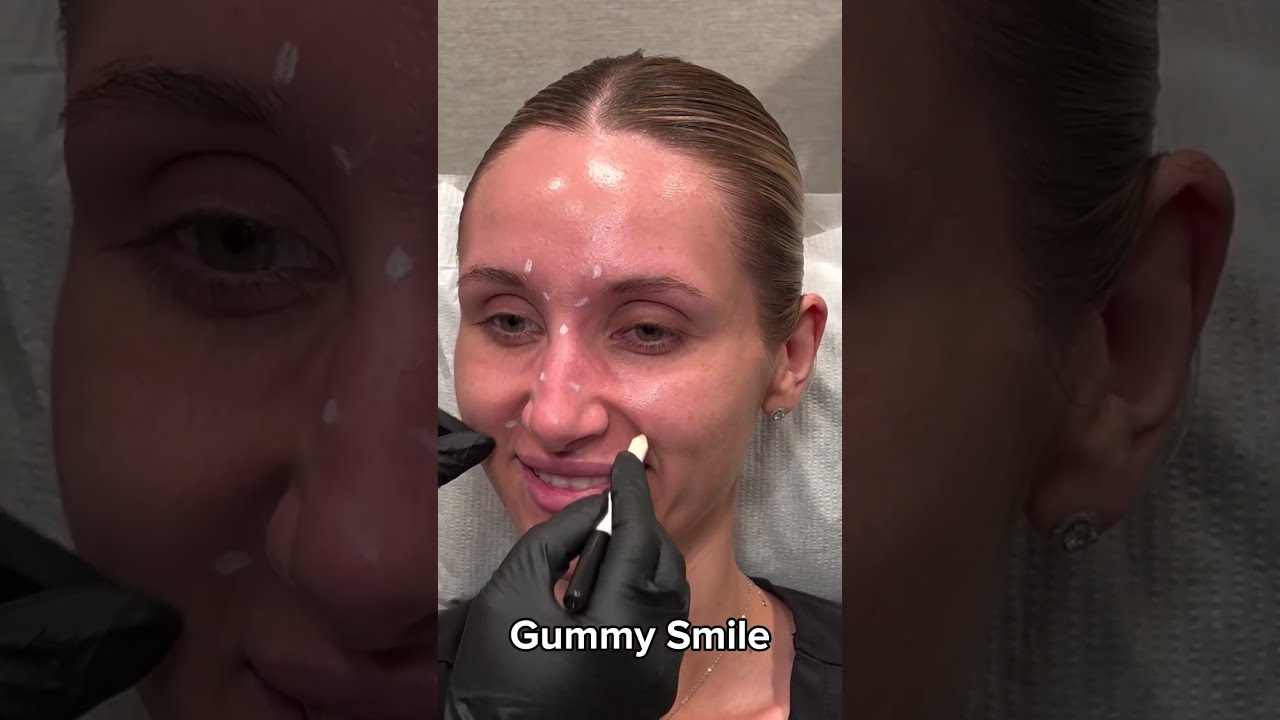
For crow’s feet, lighter faces may do well with 4 to 6 units per side, while stronger squinters need 8 to 10 even in a conservative plan. Lip flips usually use 2 to 4 units total across the upper lip. Chin dimples from mentalis overactivity can soften with 4 to 6 units. A gummy smile often responds to 2 to 4 units per side at the levator labii and alaeque nasi points. Small shifts make noticeable differences in these areas, which is why baby botox dosing is measured in single units.
Cost, value and how to shop smart without chasing “deals”
Let’s talk botox cost without spin. Practices charge by unit or by area. Per-unit pricing often lands in a broad range, sometimes 10 to 20 dollars per unit depending on region and expertise. Baby botox uses fewer units, which can reduce your botox price, but you still need enough units to get a meaningful result. Beware of offers that sound too good to be true. Counterfeit or diluted product exists, and technique varies widely. When patients search botox near me or botox specials, I advise looking for experience first, not the deepest botox deals.
Value comes from accurate assessment, skilled injection, and planned maintenance. If you spend less but need fixes for asymmetry or poor placement, your total cost rises. Ask if the clinic uses genuine Allergan Botox or if they also offer alternatives like Dysport, Xeomin or Jeuveau. These are legitimate neuromodulators with slightly different diffusion and unit equivalence. Botox vs Dysport is mostly a matter of preference and response. Some feel Dysport kicks in faster, others prefer Botox’s predictability. Xeomin is naked toxin without accessory proteins, helpful for those with sensitivities. Jeuveau behaves much like Botox in real-world use. A seasoned injector will guide you.
Before and after: setting realistic expectations
Two anecdotes illustrate how baby botox reads in real life. A 31-year-old financial analyst came in hating the “eleven” lines that showed up on Zoom when she concentrated. We used 12 units in the glabella and 6 in the frontalis in micro-drops. At one week, her colleagues said she looked rested. She still furrowed a little when puzzled, but the lines no longer etched. She now books every 12 weeks, adjusts by 2 units if workload stress ramps up, and stays on the subtle track.
A 42-year-old photographer with early crow’s feet wanted softness without changing her eye shape. We placed 6 units per side, hugging the lines and respecting her cheek lift. At two weeks, photos showed a smoother outer eye while her smile remained bright. When she asked for more at a later visit, we tried 8 per side and noticed a hint of lower lid spread she disliked. We returned to 6 per side on the next botox session and she has remained happy.
The common thread is iteration. Baby botox benefits from a feedback loop. Your first treatment sets a baseline. Your second fine-tunes. By the third, you know your sweet spot.
Myths, facts and when subtle is not enough
Botox myths are persistent. One, that botox for wrinkles makes you expressionless. It can if overdone. Baby botox is designed to avoid that outcome. Two, that starting early creates dependence. The truth: if you like the smoother look, you may prefer to keep it up, but your face does not need botox. When it wears off, you return to baseline plus the incremental benefit of having prevented some repetitive creasing.
Another myth claims botox can be reversed instantly. Unlike hyaluronic acid fillers, which have an enzyme antidote, botox cannot be reversed. It wears off as nerve endings regenerate. The fix for over-treatment is time plus occasional strategic micro-injections in opposing muscles to balance.
There are times when baby botox will disappoint. Fixed, deep static lines will not disappear with small doses. You will see improvement in movement lines, but the etched crease may persist. Here, a plan combining neuromodulator with fractionated laser or microneedling, and small filler threads placed intradermally, gives better results. Similarly, for strong masseter hypertrophy, baby dosing will not slim the jawline; a proper therapeutic plan is necessary.
Planning your session for best results
If your schedule allows, book when you can keep your head upright for several hours afterward and skip strenuous workouts that same day. Arrive with clean skin if possible. If you are prone to bruising, consider avoiding fish oil, high-dose vitamin E, aspirin and NSAIDs for a week before your botox appointment, provided your physician agrees. Arnica may help with bruising, though evidence is mixed. For botox aftercare instructions, the essentials are simple: no rubbing, no saunas or hot yoga that day, avoid facials and microcurrent for a few days, and delay professional eyebrow waxing or threading until the weekend.
What not to do after botox includes sleeping face down right away or wearing tight headbands that compress the forehead within the first hours. If you see small bumps right after injection, they settle within minutes. If a bruise appears, a nearby botox clinics dab of concealer after several hours is fine. Expect changes by the third day. If at one week you feel too tight in an area or see an odd quirk, note it but do not panic. Many small quirks settle by the two-week check.
Men, women and tailoring the finish
Botox for men follows the same principles, yet men often have stronger muscles and heavier brows. Baby botox works, but the dose usually must be scaled to avoid inadequate results. Placing too little into a robust glabellar complex leaves the frown unchanged and the patient underwhelmed. For women, the priority is often balancing lift and smoothness without suppressing expressiveness. Brows that sit at different heights benefit from micro adjustments in placement. A slight lateral lift can be achieved with tiny injections under the tail of the brow, a subtle botox brow lift that brightens the eyes without telegraphing work.
Skin quality influences perception. Oily skin and large pores may visibly improve with micro botox techniques at very superficial levels. For others, pairing baby botox with medical-grade skincare, sunscreen and periodic peels yields a cumulative anti aging benefit that a single service cannot match.
Timing your maintenance without over-treating
Two rhythms tend to work for baby botox maintenance. The first is a predictable 10 to 12 week interval, which keeps the look steady. The second is response-based: return when you notice movement and fine lines returning, which for many is closer to 12 to 16 weeks. When to get botox again also depends on your calendar. Weddings, photoshoots and launches have their own timelines. The best time to get botox is two to four weeks before an event, which allows full onset and a buffer for any touch up.
If you prefer longer gaps, accept that the fade will create a period where lines are more visible. That is not failure. It is simply the natural botox effect duration playing out. Over years of consistent, moderate use, many patients find their baseline lines remain lighter than they were at the start, a quiet benefit of reduced repetitive folding.
Navigating options, offers and expectations
You will see botox offers circulate seasonally, along with brand loyalty programs that bank savings for future visits. These can be worthwhile if you already trust the clinic. The priority is still the injector’s judgment. The cheapest botox price means little if the result needs correction. If you are shopping, begin with a botox consultation rather than the promise of a package. Review unfiltered botox before and after images that match your age group, gender and skin type. Ask how the clinic approaches subtle botox and if they adjust dosing across sessions. If the conversation is only about the number of units, not the pattern and purpose, keep looking.
Final thoughts from the chair
The magic of baby botox is not the “baby.” It is the intention behind it. Smaller doses demand better assessment and more precise hands. The payoff is control. You can nudge rather than bulldoze, keep your quirks while smoothing what bothers you, and evolve your plan as seasons and stresses change. Whether you are curious about a first treatment, recalibrating after a heavy-handed experience, or fine-tuning a routine for the best botox results yet, subtlety is a worthy north star.
If you decide to try it, give the process two or three cycles. Track your botox results with simple notes: date, units per area, how fast botox worked for you, what you loved and what you would tweak. Share that with your injector. That small habit turns guesswork into strategy and helps you get long-term outcomes that look like you, just a little more at ease.